


BMW M Chief Says “The Manual Doesn’t Really Make Sense” As Economics and Torque Squeeze It Out
The slow retreat of the manual gearbox from the premium segment isn’t, at least according to BMW M boss Frank van Meel, about drivers suddenly forgetting how to use three pedals; it’s more structural than that, and it involves costs, torque, scale, and maybe timing.
Speaking about the future of stick shifts inside BMW’s M Performance division, van Meel didn’t sugarcoat the situation, stating plainly, “The manual doesn’t really make sense.” He elaborated further, explaining that “It limits you in torque and in fuel consumption.” That technical ceiling matters, especially when current power figures keep climbing.
BMW’s existing manual transmission can handle no more than 405 lb-ft of torque while still meeting the automaker’s internal requirements. That immediately creates a problem because it makes the gearbox unsuitable for CS-badged versions of the M2, M3, and M4, and it looks even more strained next to the “regular” M5, which produces 738 lb-ft. The gap is simply too wide.
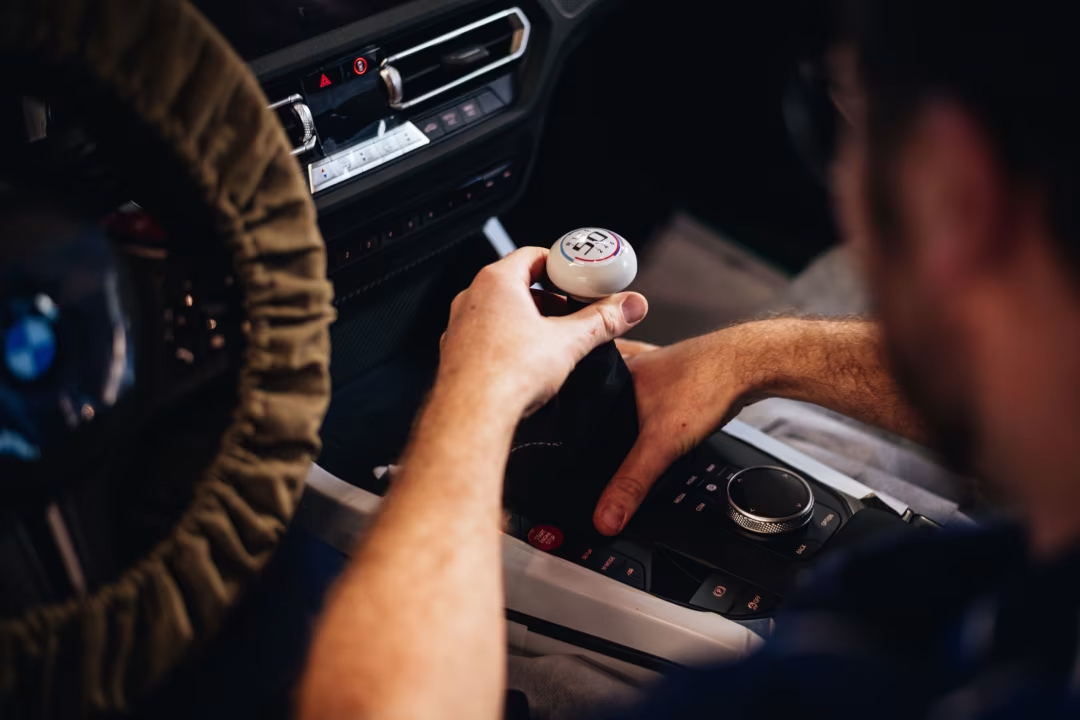
The issue, however, isn’t only torque capacity – it’s development economics. BMW’s manuals have long been sourced from German suppliers Getrag and ZF, companies that also serve Audi, Jaguar, Land Rover, and Mercedes. But as van Meel explained, “It’s going to be quite difficult in the future to develop completely new gearboxes because the segment in the market is quite small, and the suppliers are not so keen on doing something like that,” suggesting that the business case just isn’t there anymore.
Producing a gearbox exclusively for M cars would be expensive, particularly when premium brands tend to prioritize luxury over the sharper performance focus of BMW M. Economies of scale once justified shared development; however, that balance appears to be fading.
There are examples of manuals handling serious torque. The Cadillac CT5-V Blackwing produces 659 lb-ft, while the C7 Corvette ZR1 made 715 lb-ft, with both using Tremec gearboxes built in Mexico. The TR-6060 in the Cadillac is an evolution of the T-56, and the TR-6070 in the Chevrolet is a seven-speed version of the TR-6060. Still, their shifting character, especially from first to second, is described as roughness that would be unacceptable for a premium automaker like BMW.
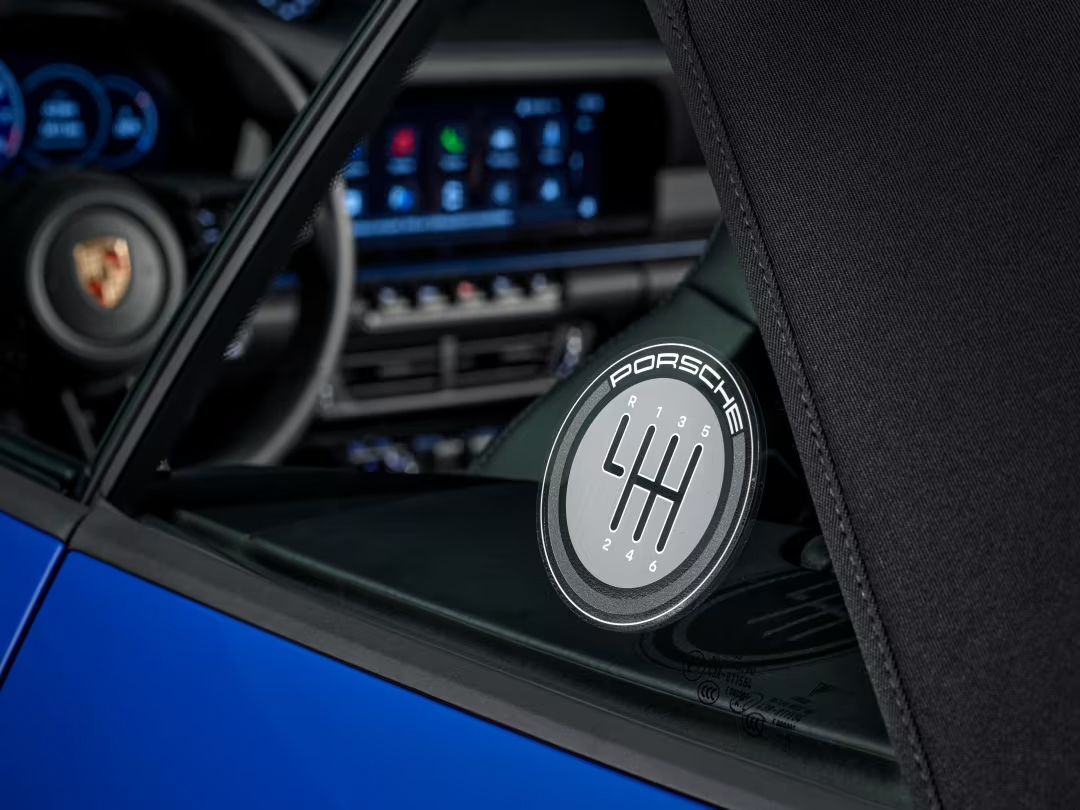
Even Porsche’s 911 Carrera T and GT3, at 331 lb-ft, operate in a different torque environment altogether. At the extreme end, the Pagani Utopia delivers 811 lb-ft, and the Koenigsegg CC850 develops 1,022 lb-ft of E85, both allowing drivers to row their own gears, but these remain ultra-exclusive limited editions.
For now, BMW isn’t abandoning manuals outright. “We’re still happy with the manuals we have, and we plan to keep them for the next couple of years, but in the future, probably it’s going to be more difficult to keep the manuals alive, especially in the next decade,” van Meel said, pointing toward electrification and rising outputs as long-term pressure points.
The manual isn’t gone. It’s just increasingly outnumbered.
Recommended For You
BMW Cars That Will be Present at The 2021 IAA Munich Auto Show

Bogdan H.
Bogdan is an English teacher who is passionate about blogging. In his spare time, he writes news and reviews about BMW cars on our website. He's been a BMW fan since he was a little kid.


