


BMW Teams Up with Mistral AI to Reinforce Crash Testing and Speed Up Vehicle Development
With AI already playing a more important role in today`s growing automotive industry, BMW is already planning to expand its involvement in the industry by partnering with Mistral AI.
The German manufacturer plans to combine its own engineering knowledge with the French company’s model-training capabilities in an effort aimed at safety development, simulation work, and software engineering.
The project centers on what BMW describes as Large Industry Models. Unlike general-purpose systems trained on information gathered from across the internet, these tools will learn from engineering datasets tied directly to vehicle development and safety research. BMW believes such an approach makes the models more useful for specialized technical work where broader AI platforms often struggle.
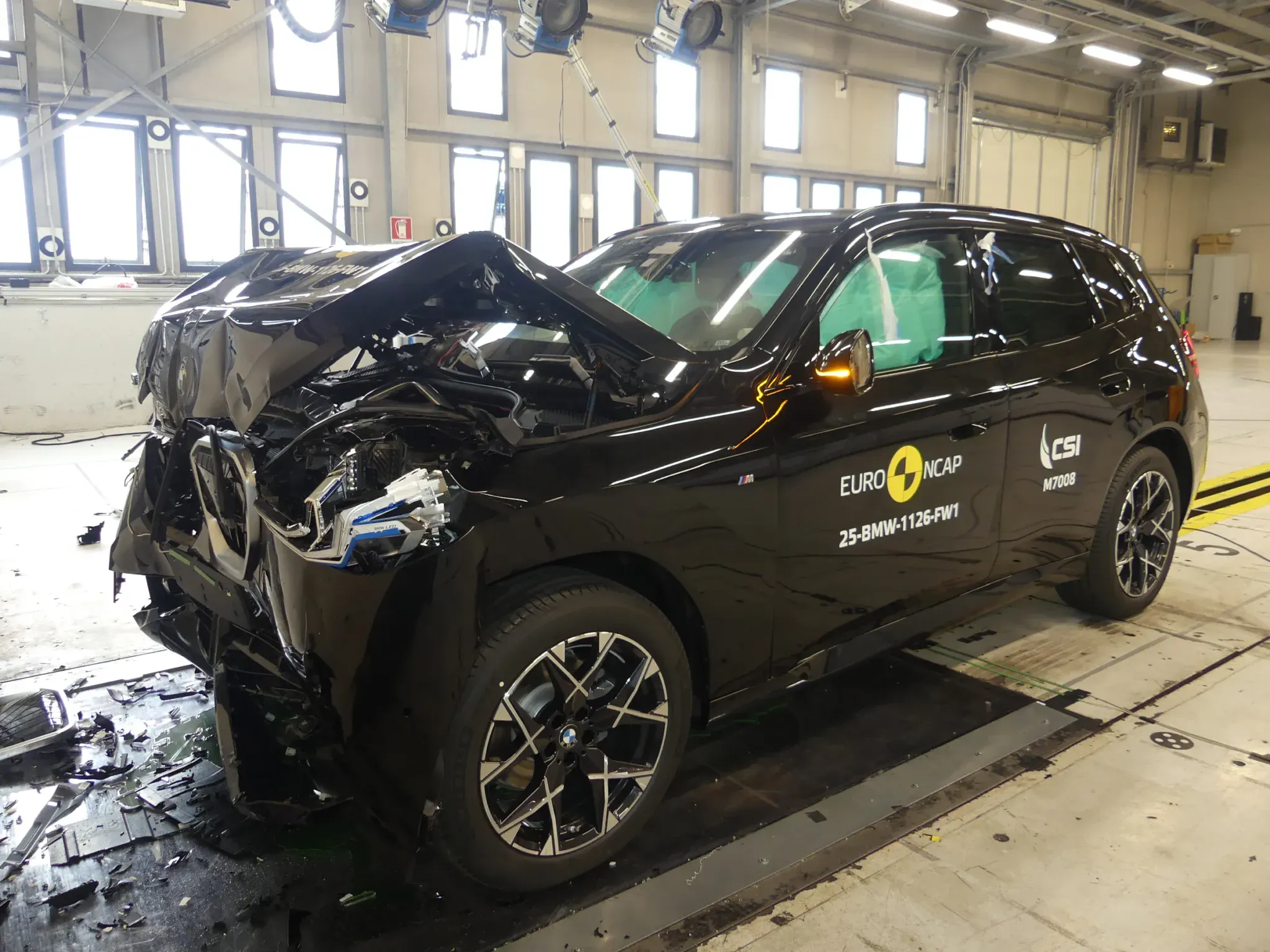
One area stands out immediately: crash simulation.
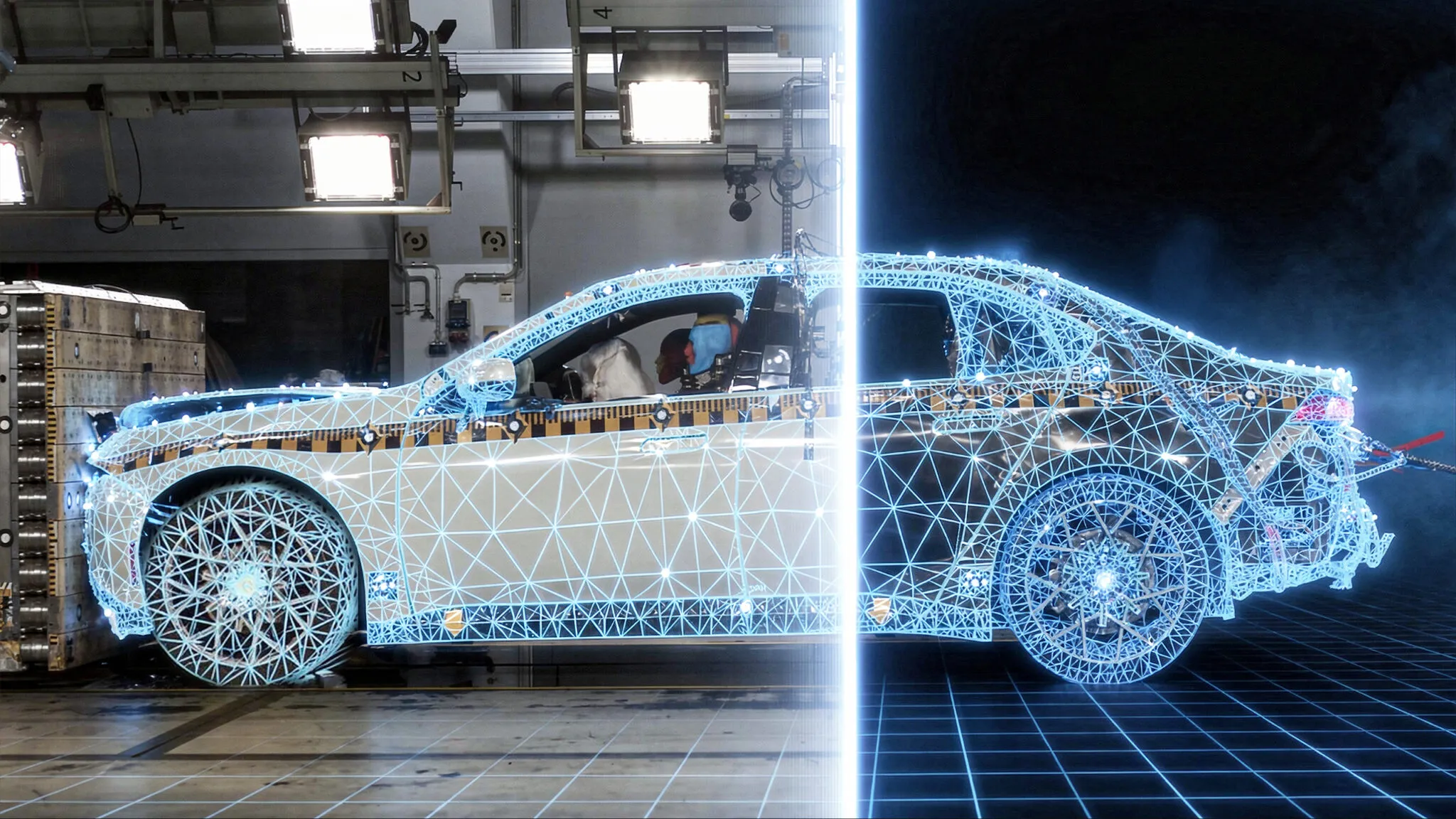
BMW conducts thousands of virtual crash tests every week and has built an archive exceeding one petabyte of crash-related information. The company equates that figure to more than 1,000 terabytes of data. Engineers use this material to study how structures, components, and different materials behave during an impact, as well as how much influence each element has on the final result.
The cooperation with Mistral AI aims to improve the quality, speed, and precision of complex engineering processes. BMW intends to feed its extensive engineering records into an industrial AI model trained specifically for technical applications rather than consumer-focused tasks.
According to the automaker, the initiative will not create an immediate change for current BMW owners. Instead, the expected benefit lies in future value creation through improved development methods and more efficient engineering workflows.
Mistral AI chief revenue officer Marjorie Janiewicz described the agreement as an example of how industry-focused AI models help address demanding engineering problems, including crash simulation work. She stated that industrial AI represents a new stage in artificial intelligence development and highlighted the collaboration with BMW Group as an important application of those tools.
The effort extends beyond safety simulations.
BMW already relies on artificial intelligence in coding and software development. Tasks that previously consumed an entire day now take only minutes, according to comments attributed to BMW development director Joachim Post last year. He also said the company requires fewer personnel resources than in the past because AI has improved efficiency across several areas.
Software development appears to be one of the biggest beneficiaries. Post explained that AI has accelerated coding work substantially, helping BMW increase development speed throughout broader vehicle programs.
If the strategy delivers the results BMW expects, future models may reach production following a development process shaped increasingly by specialized artificial intelligence rather than traditional engineering methods alone.

Recommended For You
BMW iX5 Hydrogen SUV Will Enter Mass Production Next Years

Bogdan H.
Bogdan is an English teacher who is passionate about blogging. In his spare time, he writes news and reviews about BMW cars on our website. He's been a BMW fan since he was a little kid.


