


BMW Is Still Betting on Hydrogen – and the New iX5 Is Already Testing on Public Roads
Battery-electric cars may dominate the discussion around BMW’s future, but the company still isn’t ready to put all of its energy into batteries alone.
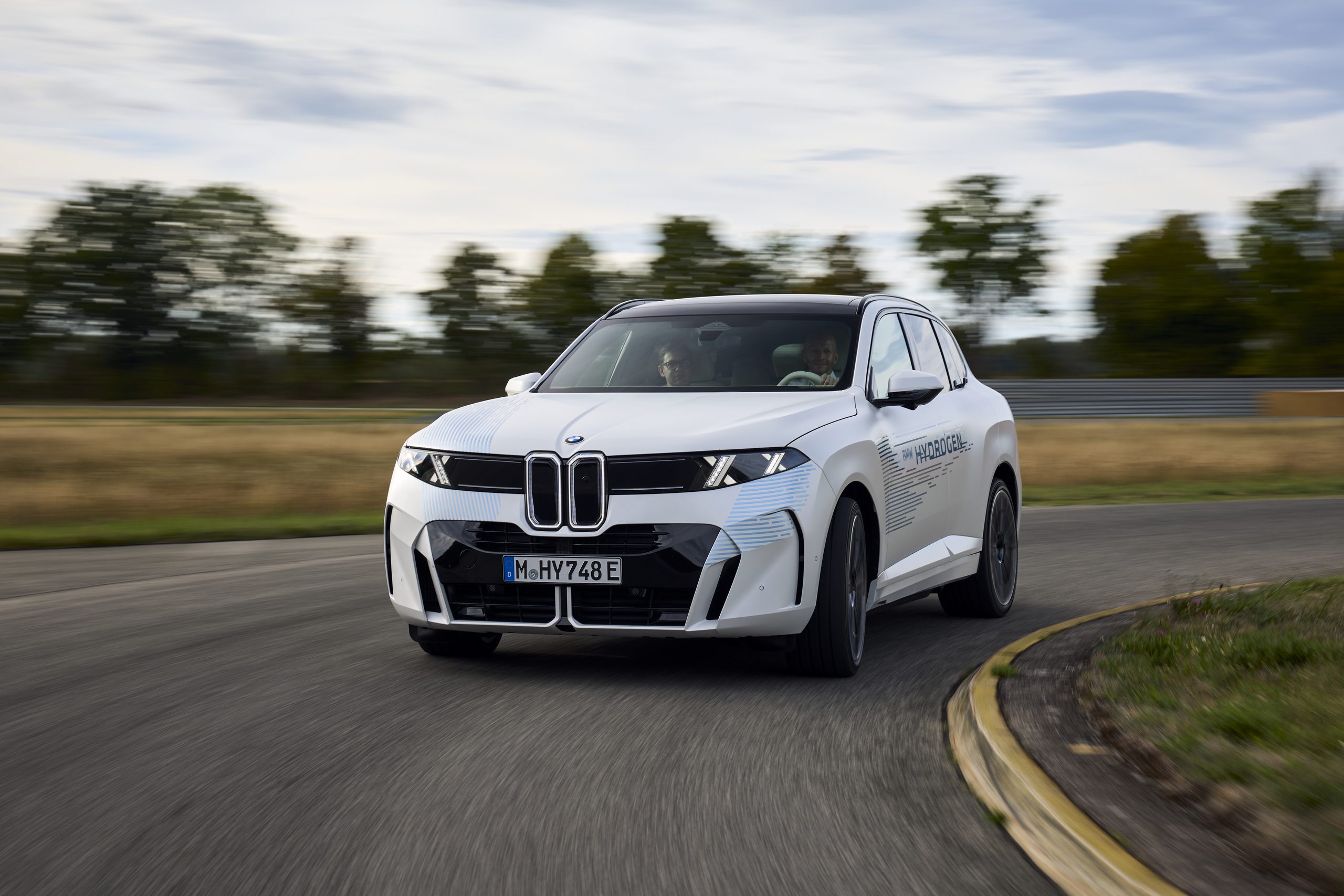
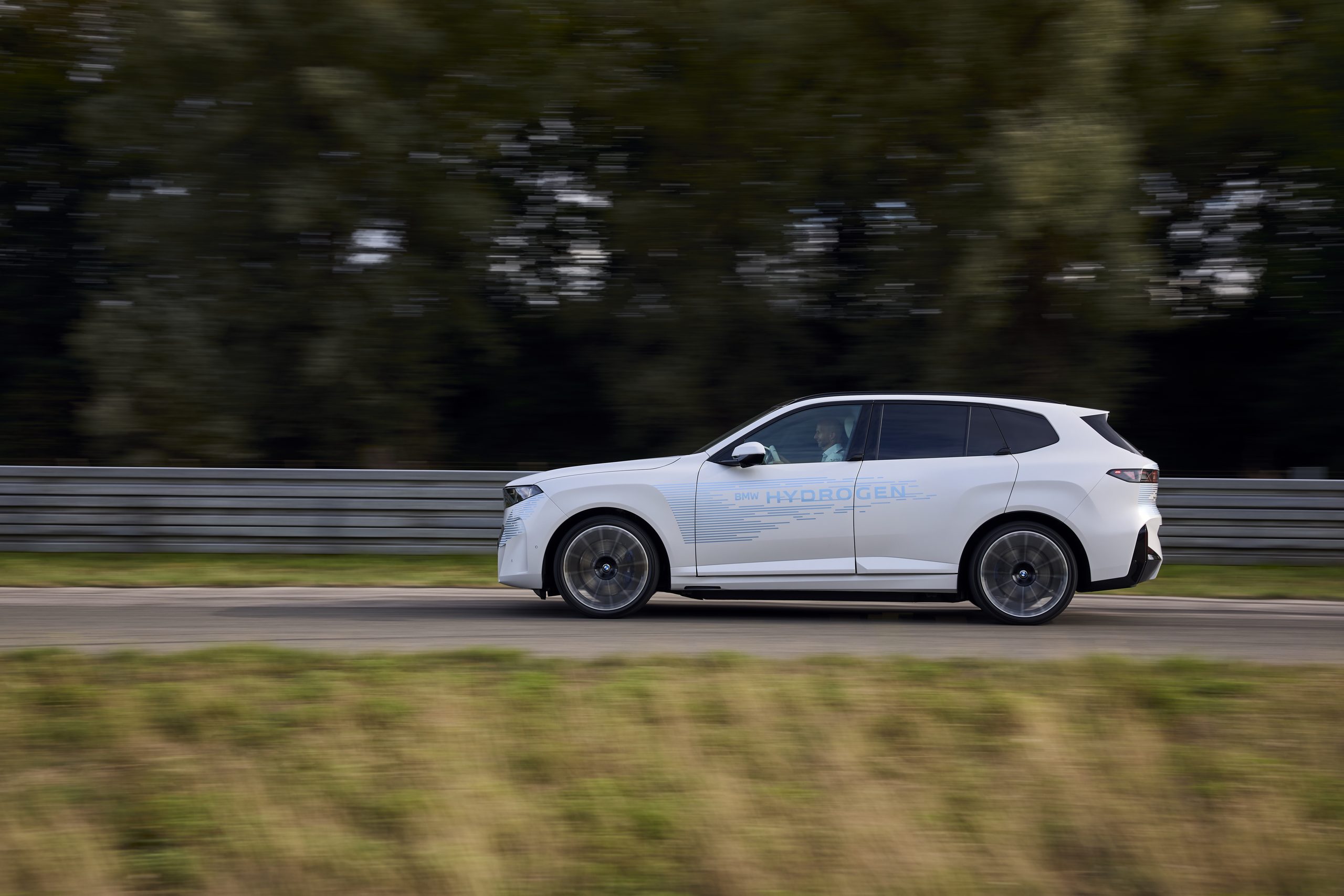
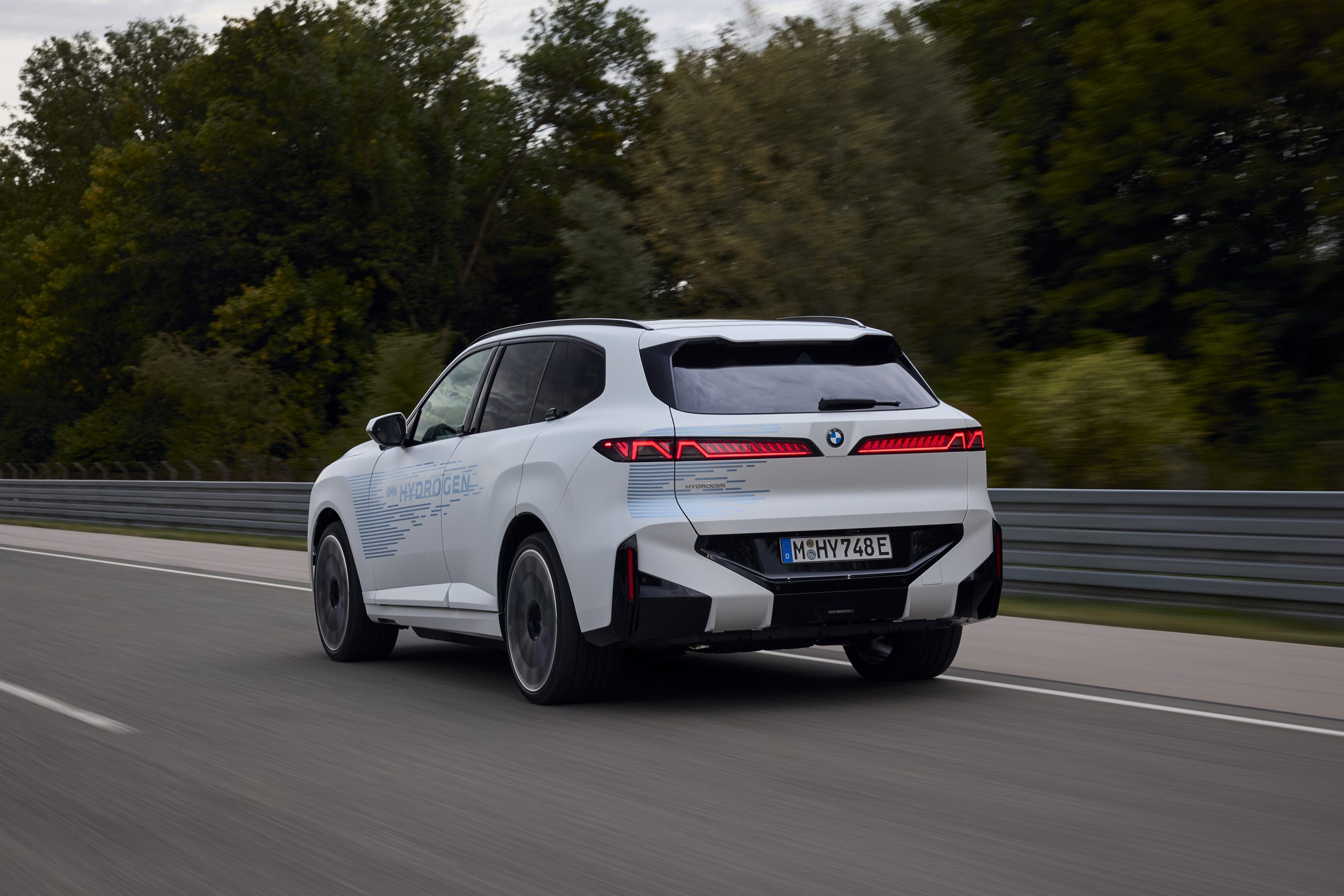
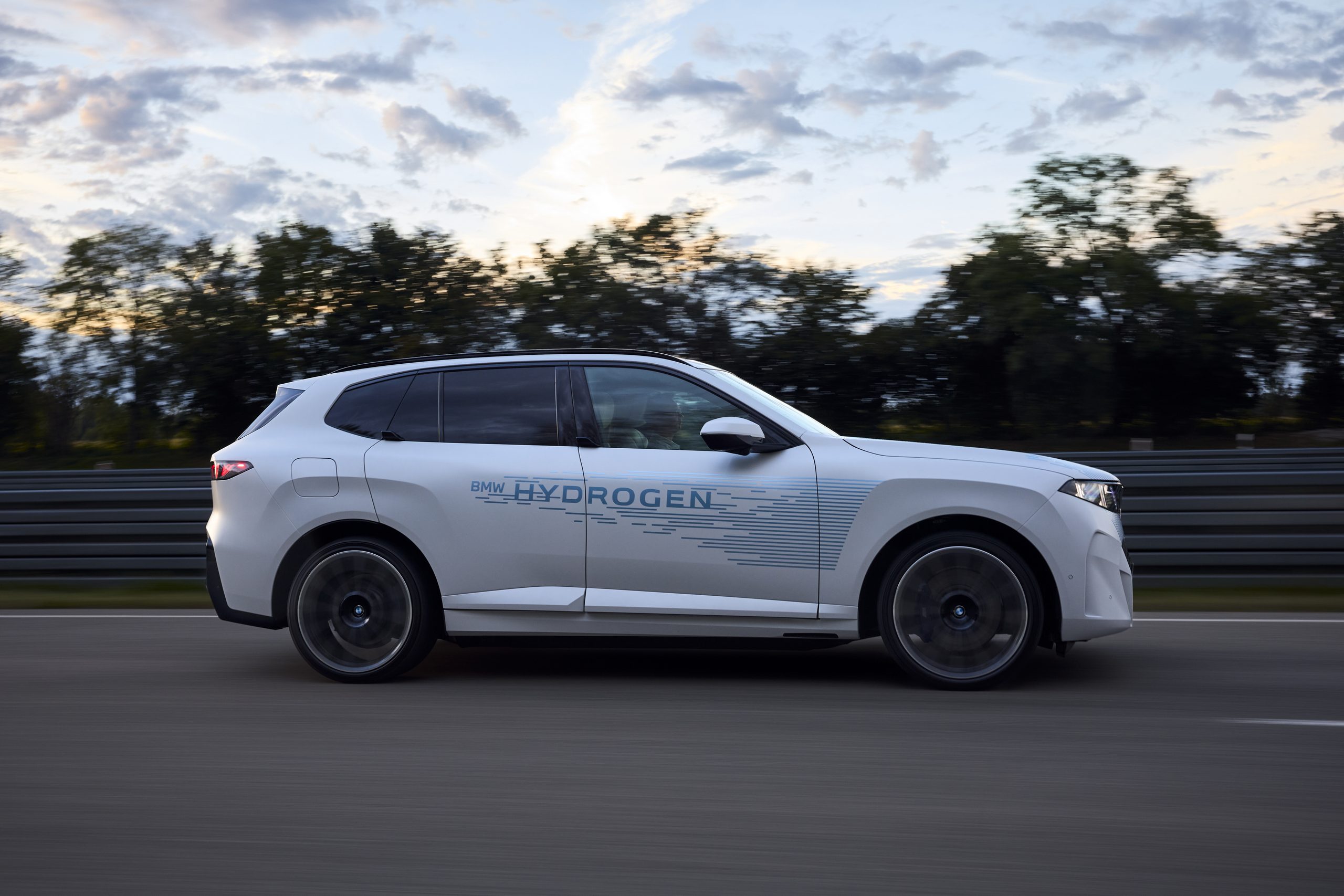
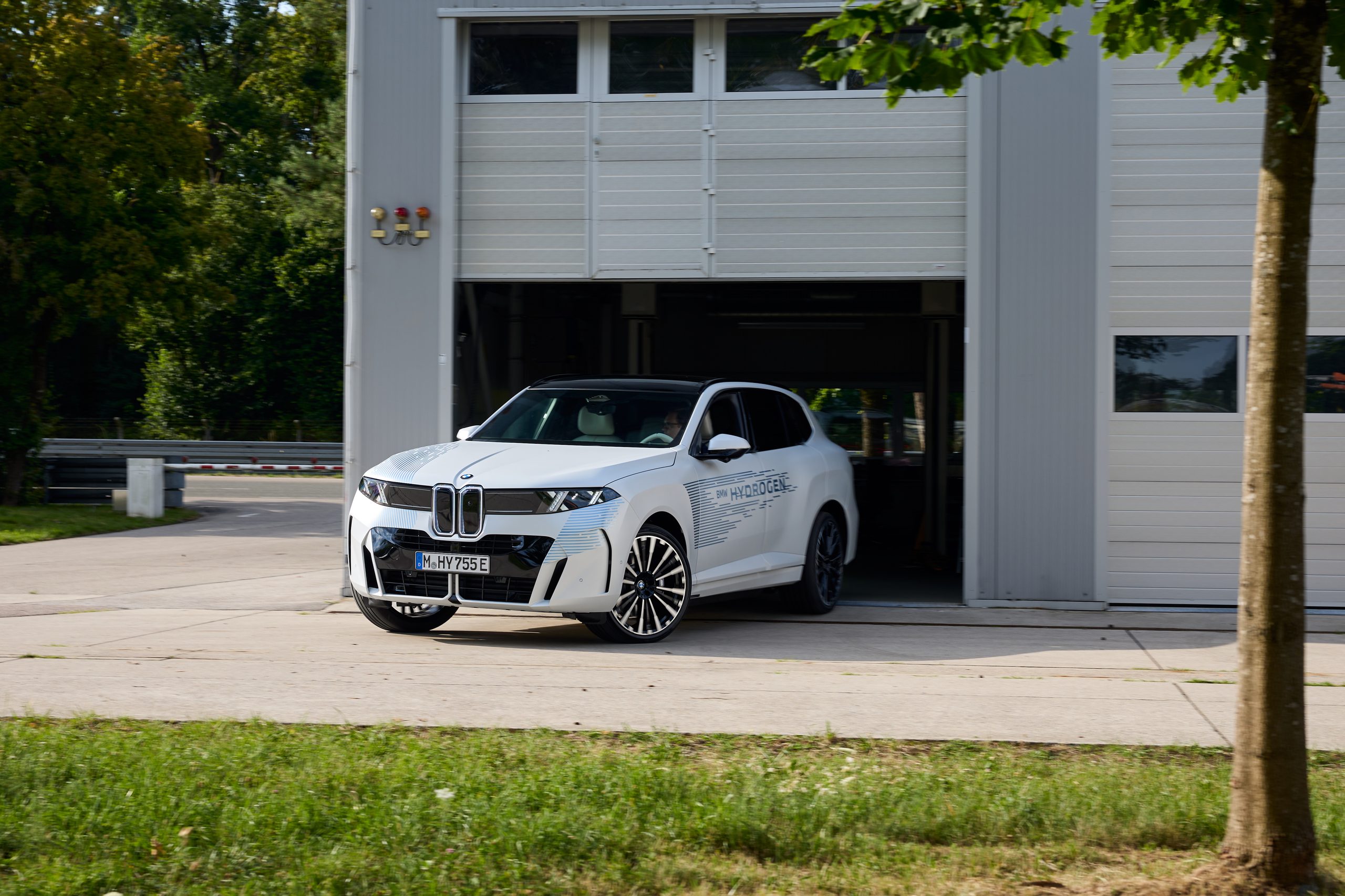
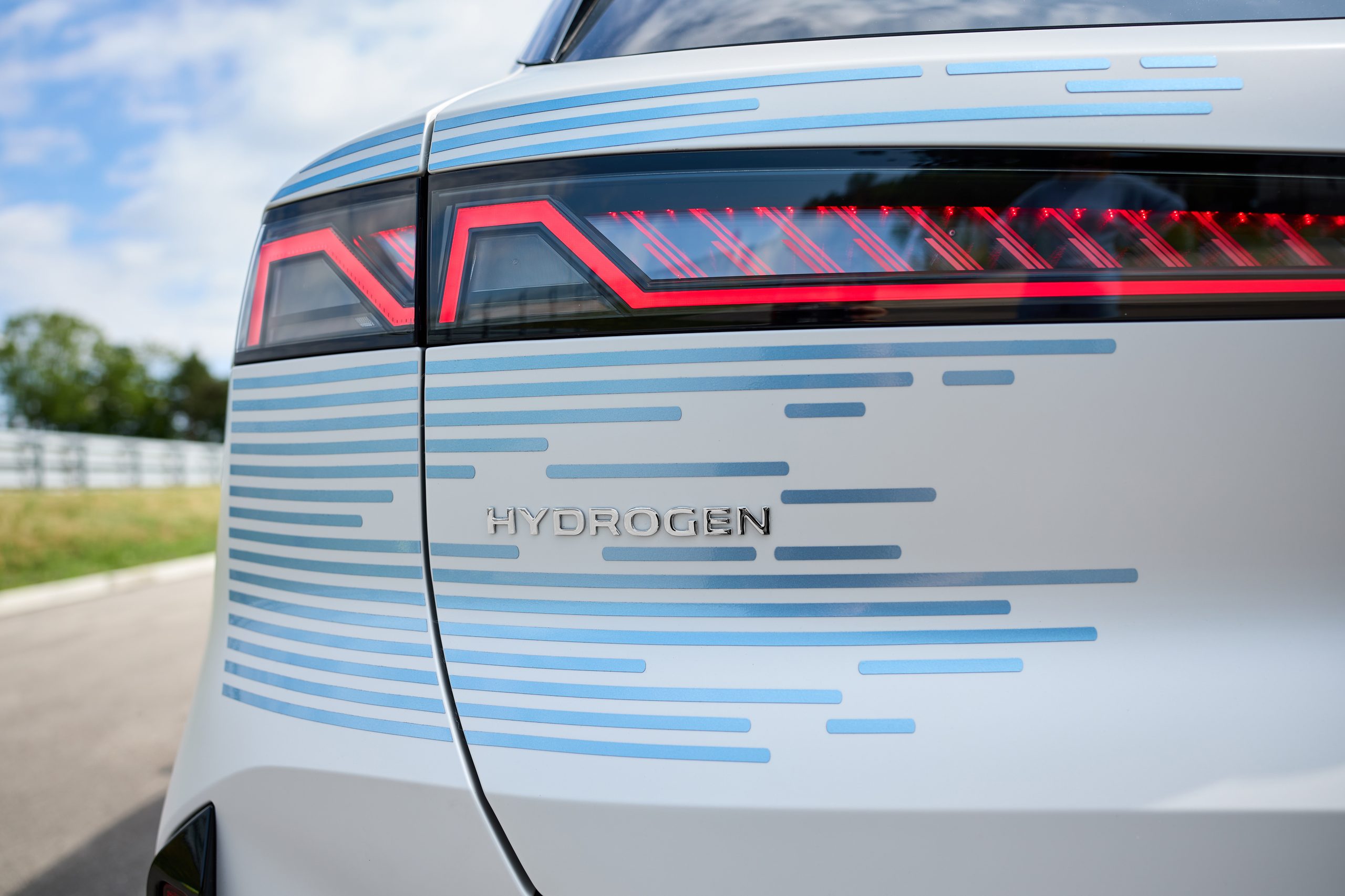
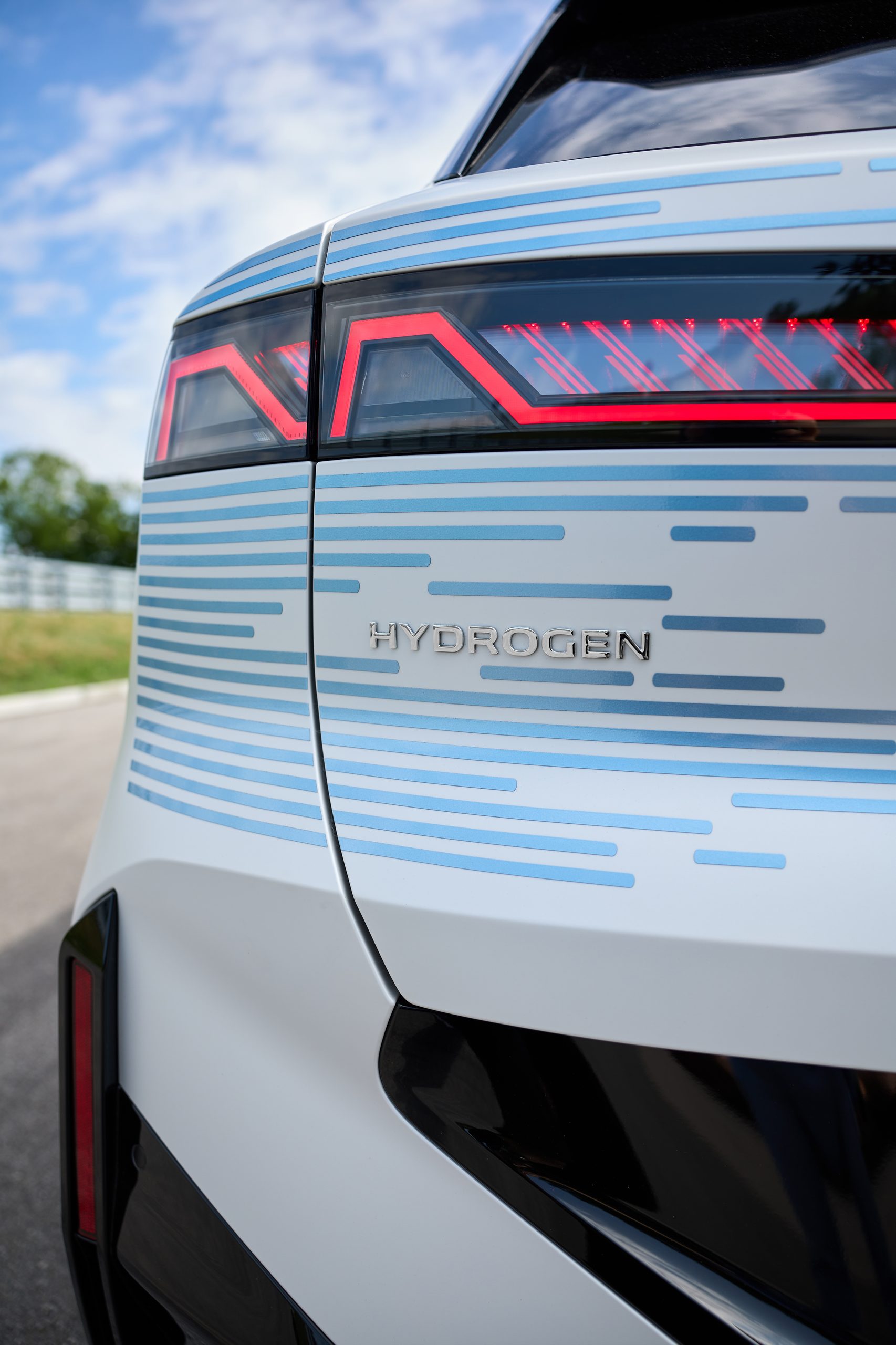
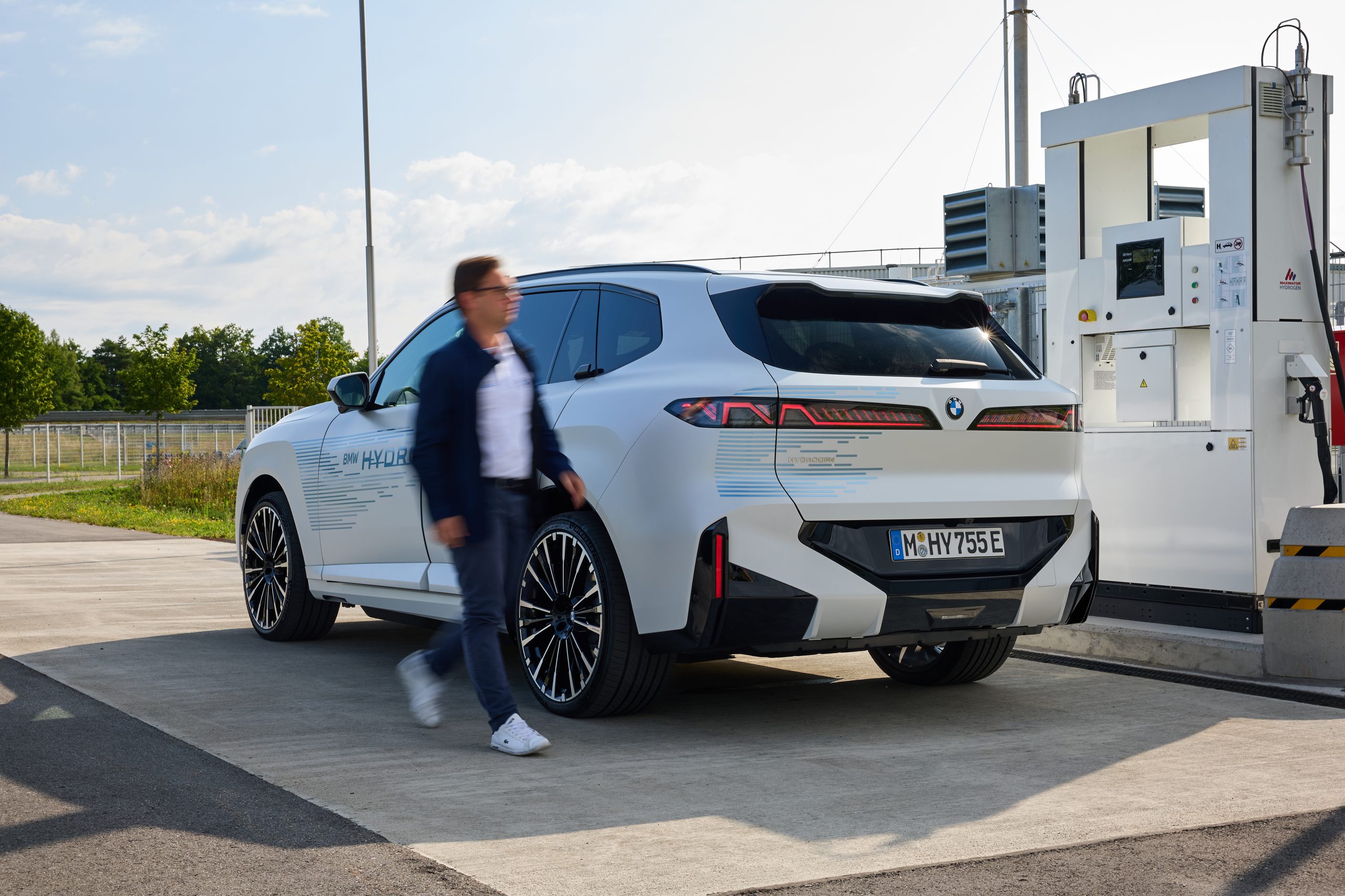
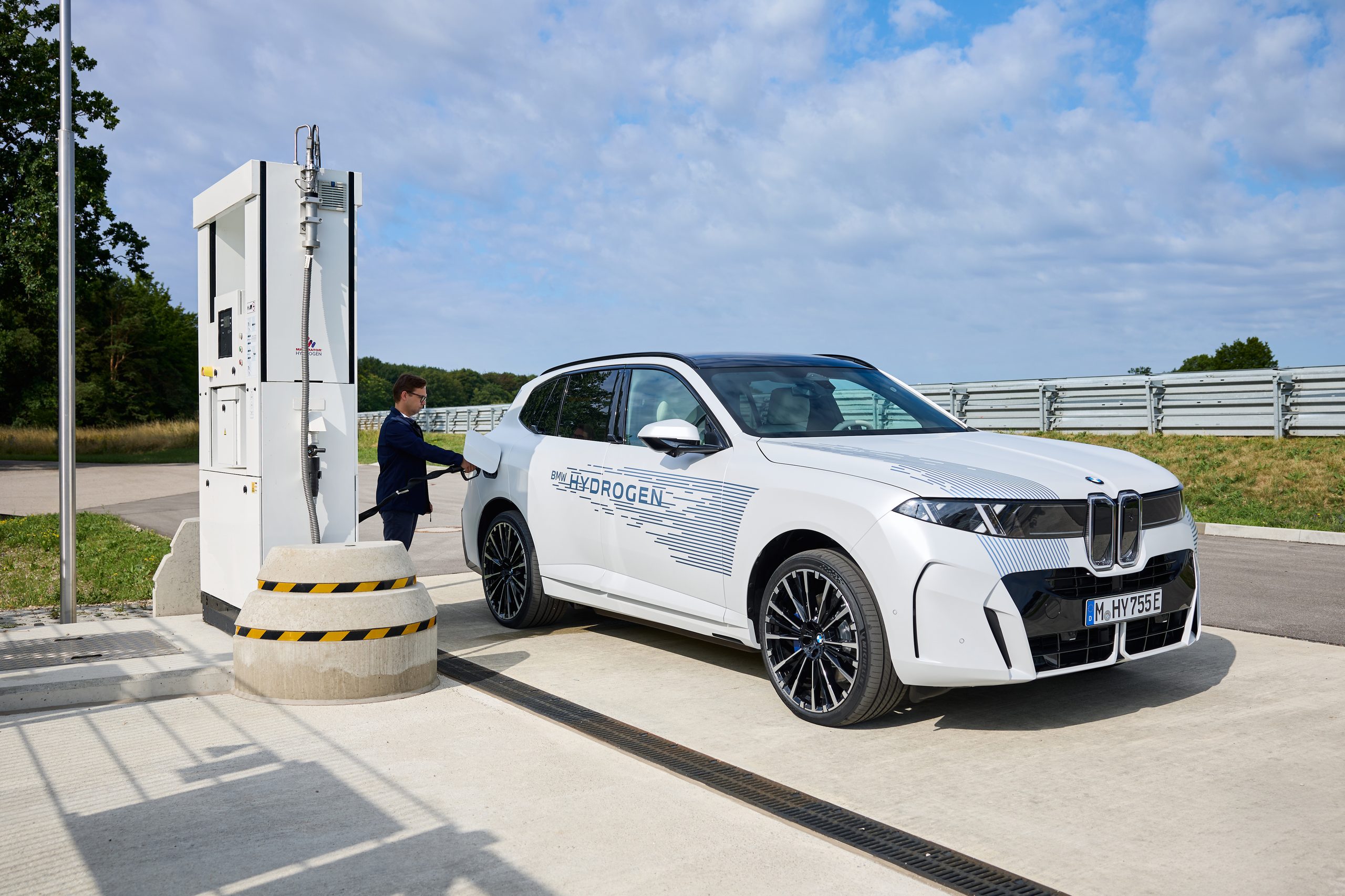
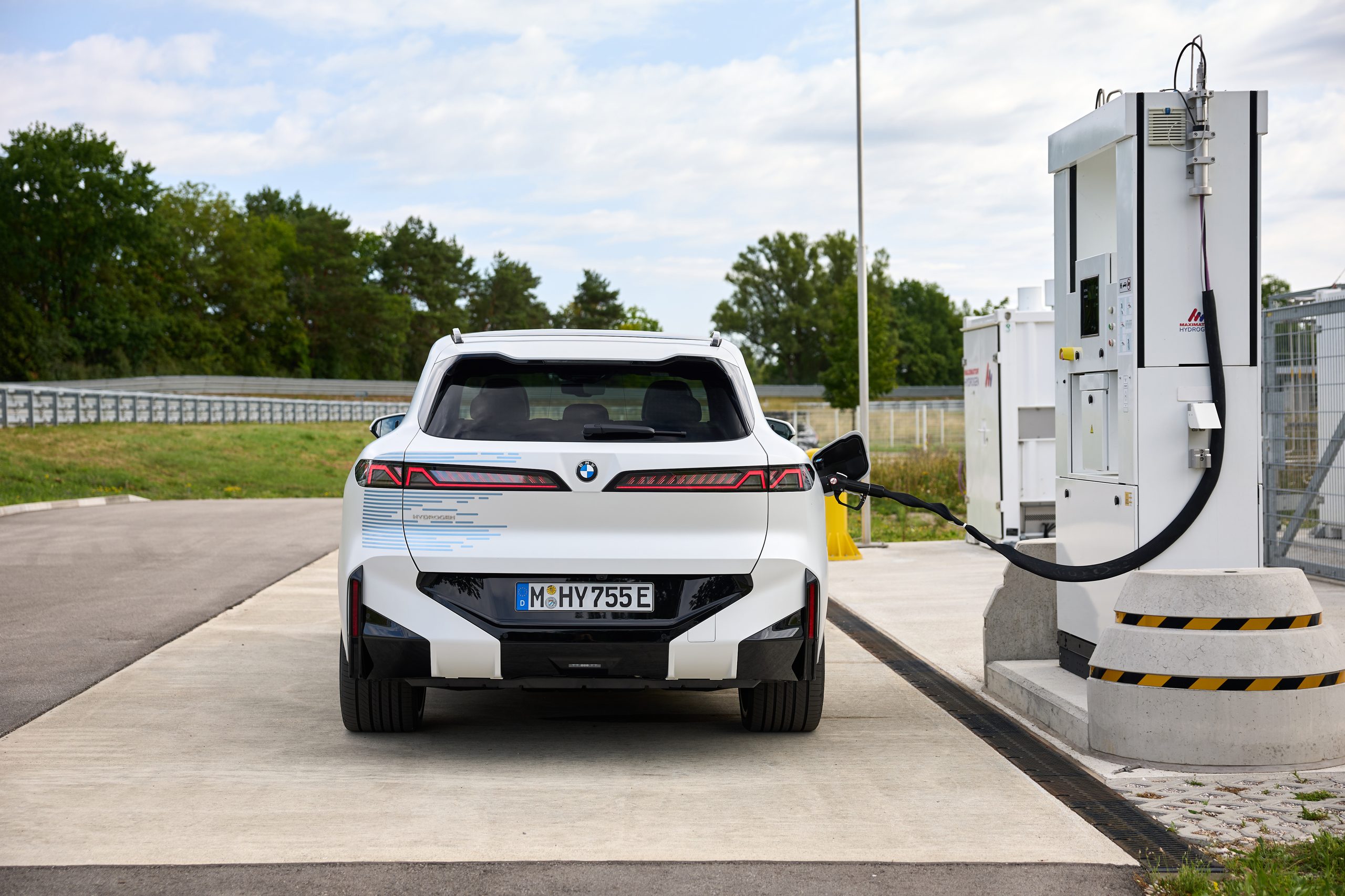
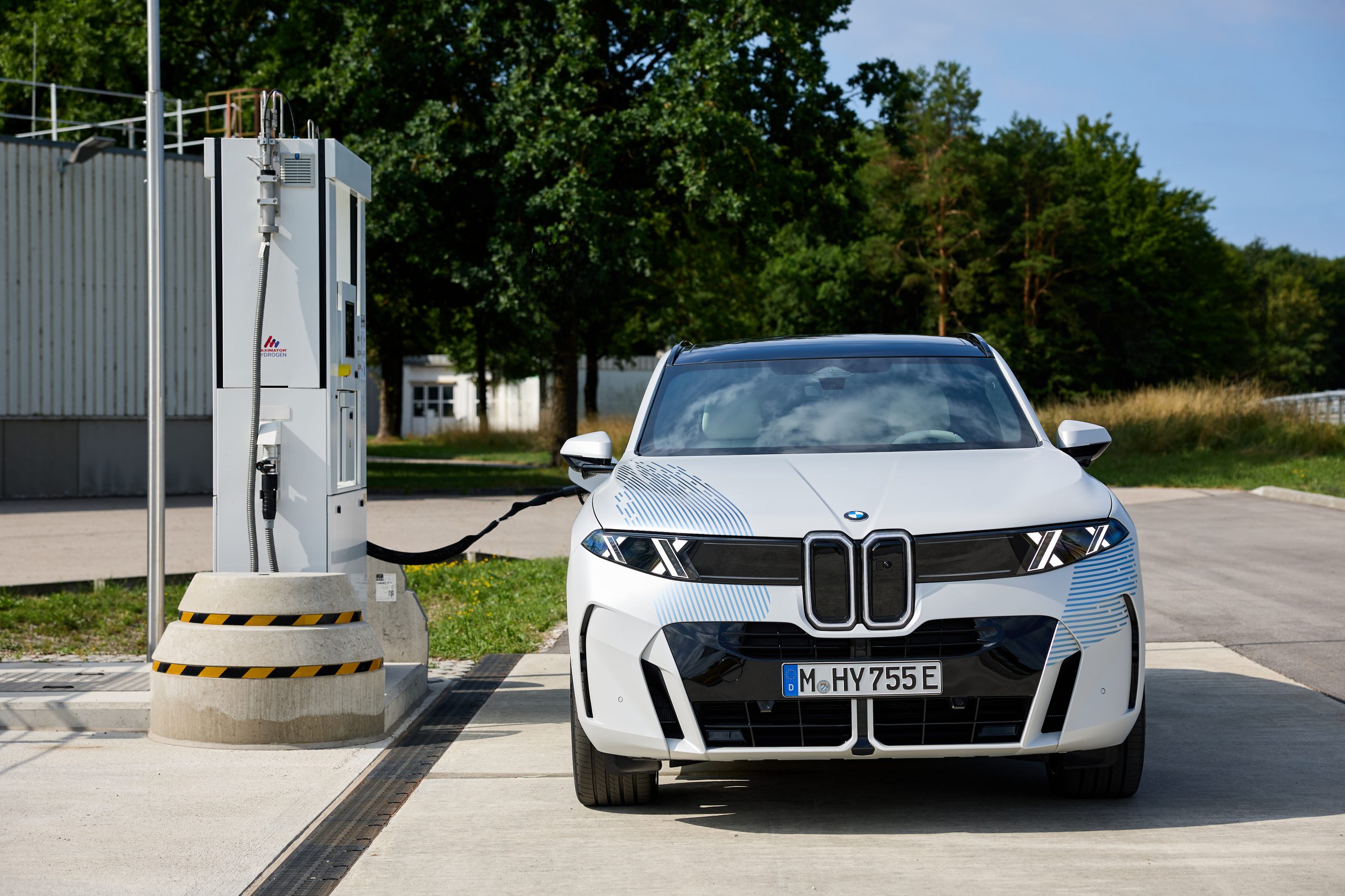
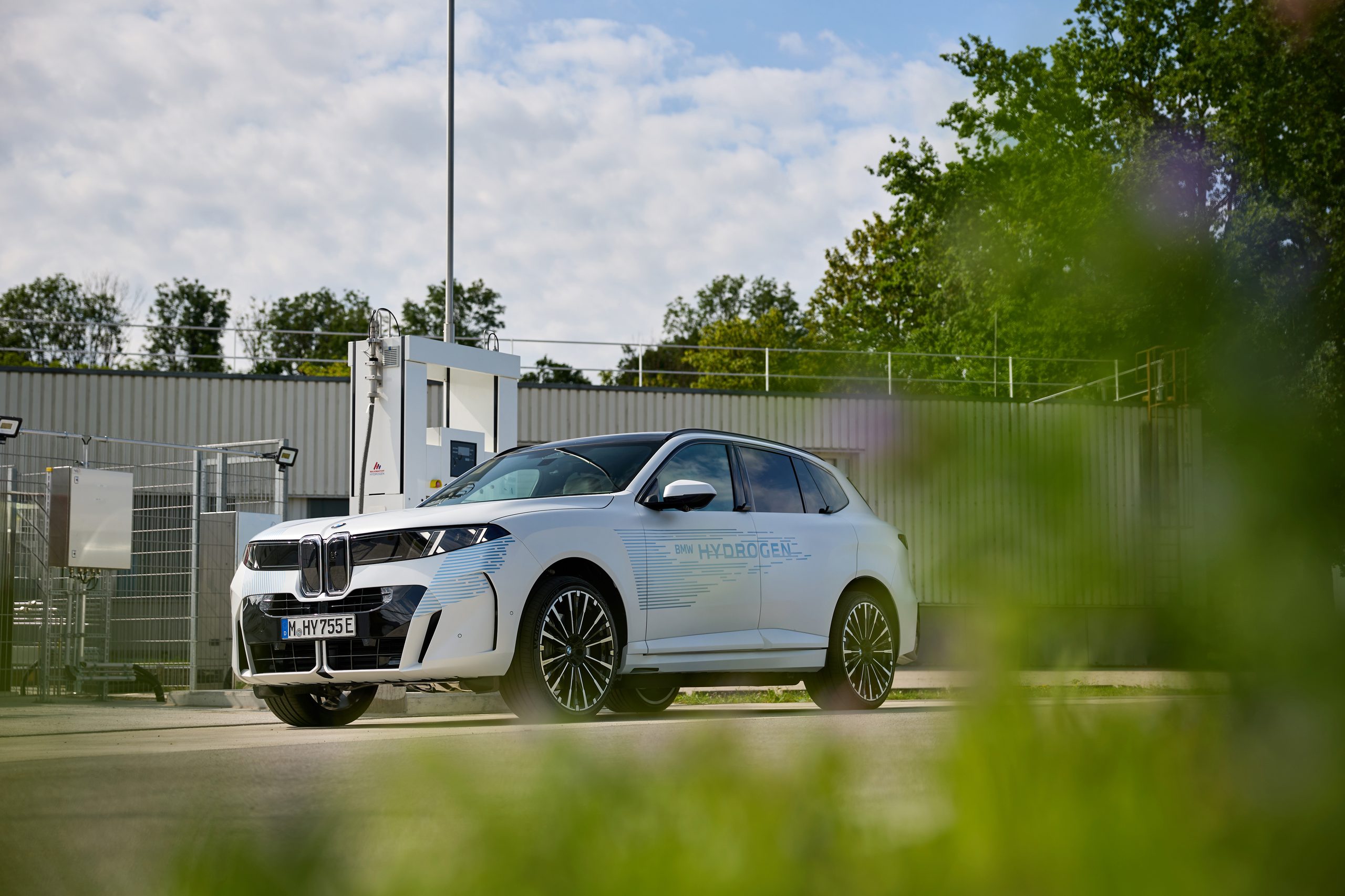
The BMW iX5 Hydrogen is moving closer to production.
New prototypes are now being tested under real-world conditions, while BMW is simultaneously preparing the manufacturing process for its third-generation fuel-cell system. Unlike some hydrogen experiments that seem permanently stuck in concept-car territory, this one is being developed with series production in mind.
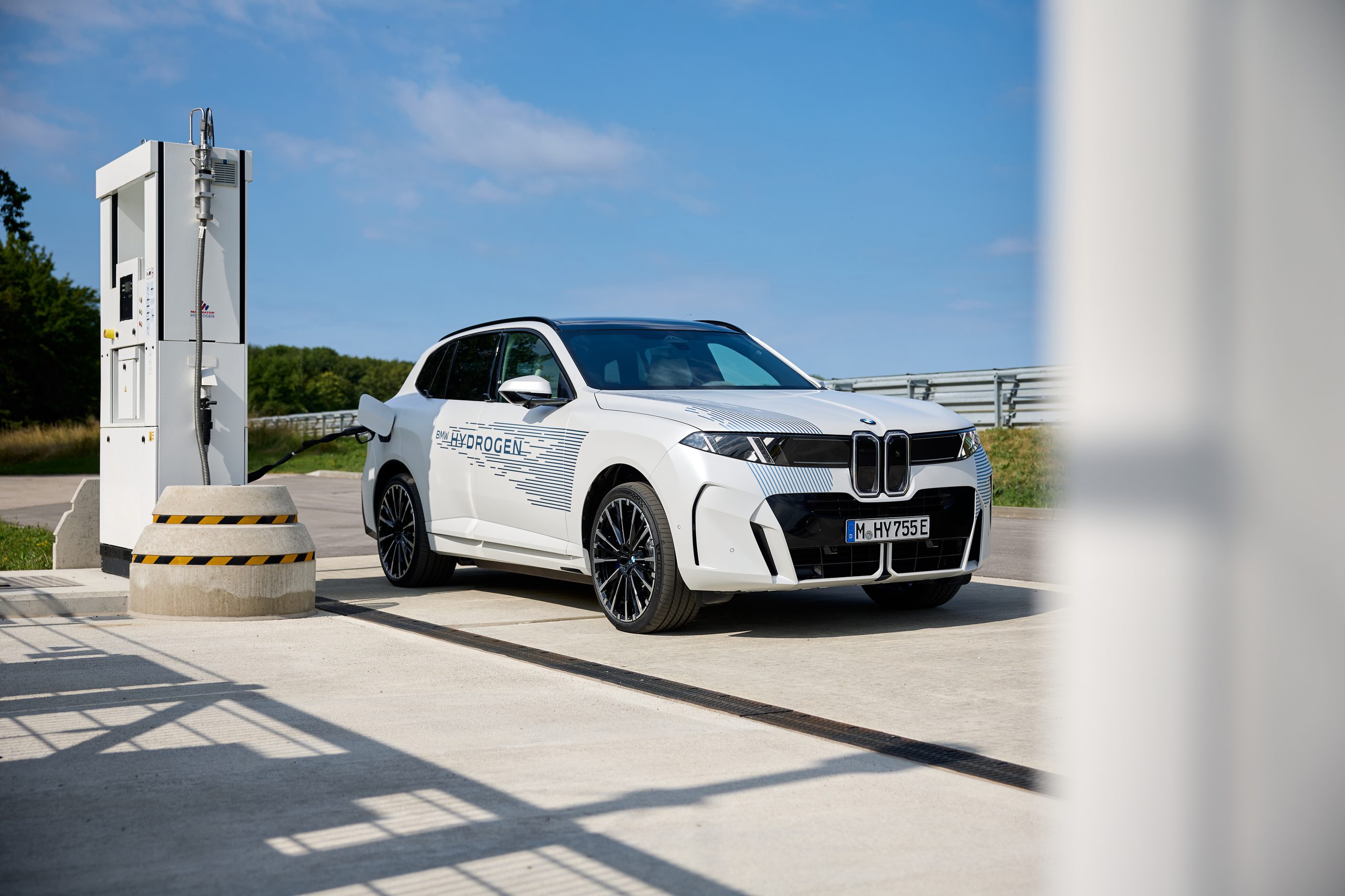
The timing is interesting because the new family already covers an unusually broad range of powertrains. BMW is preparing conventional combustion versions, plug-in hybrids, the fully electric iX5 and this hydrogen fuel-cell derivative. Instead of deciding that one technology must immediately replace everything else, BMW is effectively letting several approaches coexist.
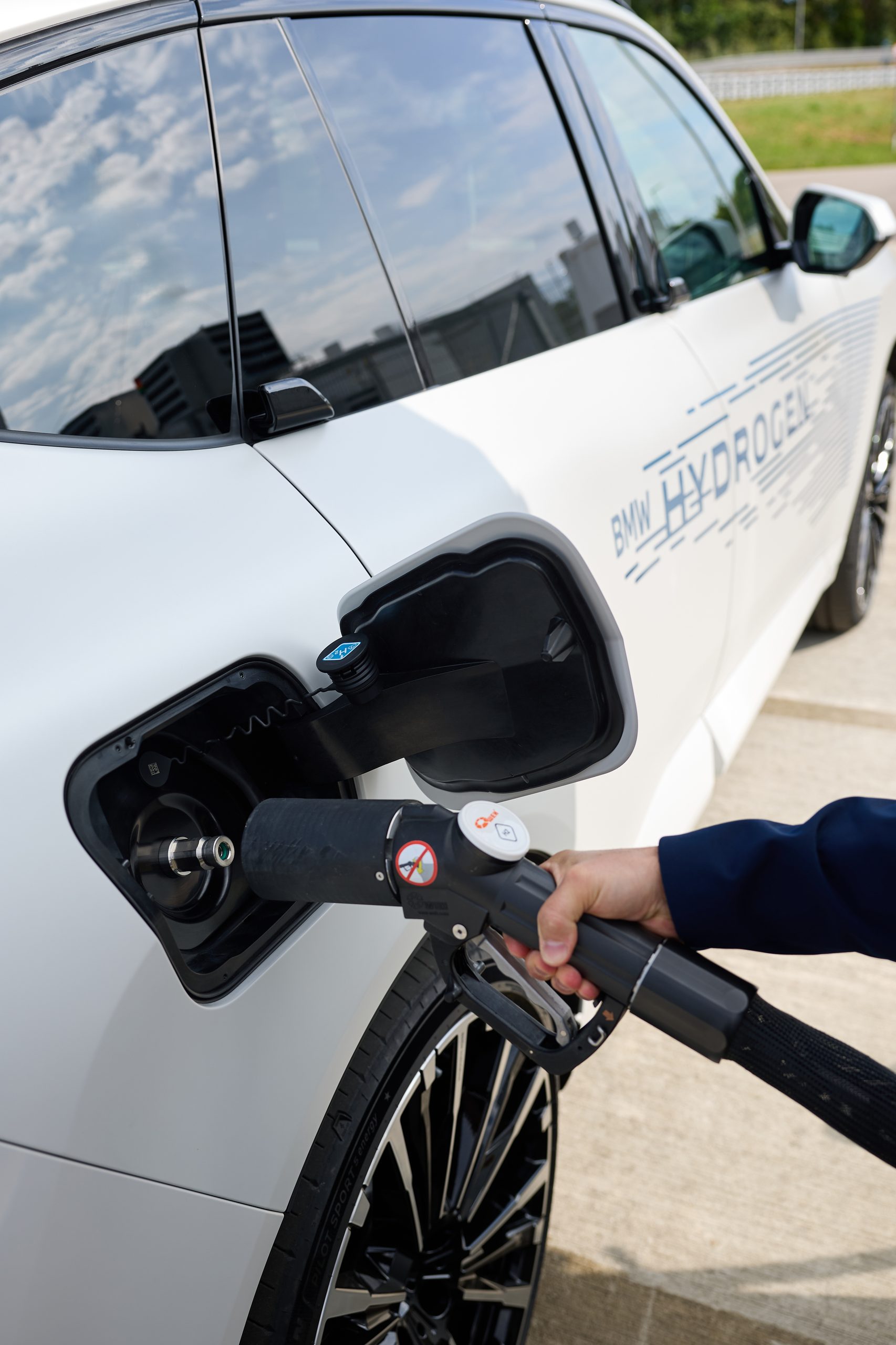
Hydrogen works differently from a battery EV even though an electric motor ultimately drives the wheels. Rather than storing most of the energy in a huge rechargeable battery, the vehicle carries hydrogen in high-pressure tanks. A fuel cell combines that hydrogen with oxygen to generate electricity on board, with water as the main local by-product.
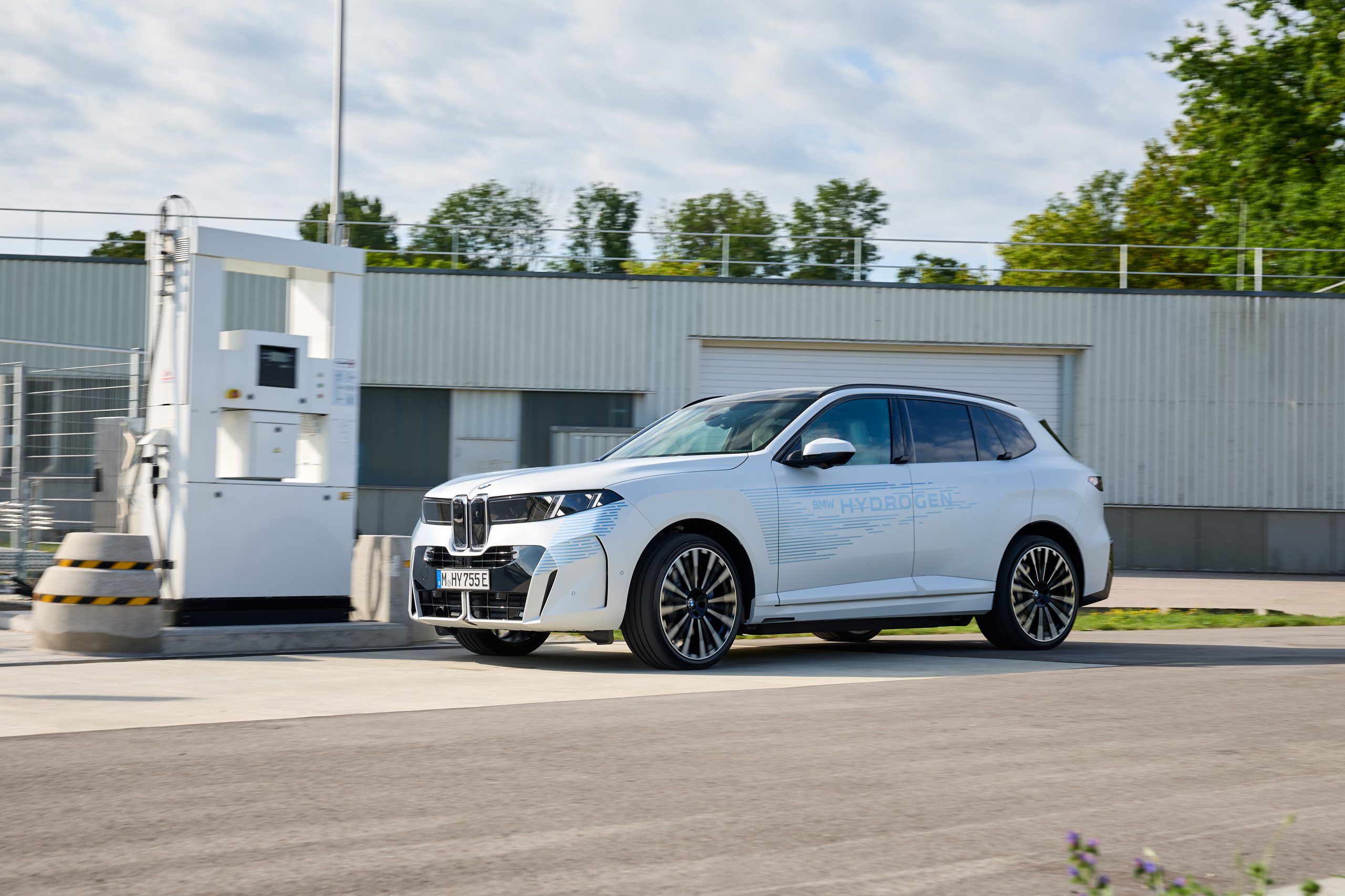
The obvious attraction is refuelling time. Filling hydrogen tanks can take only a few minutes, making the technology potentially interesting for drivers who regularly cover long distances and don’t want to spend time at charging stations.
The less convenient part is finding somewhere to fill them.
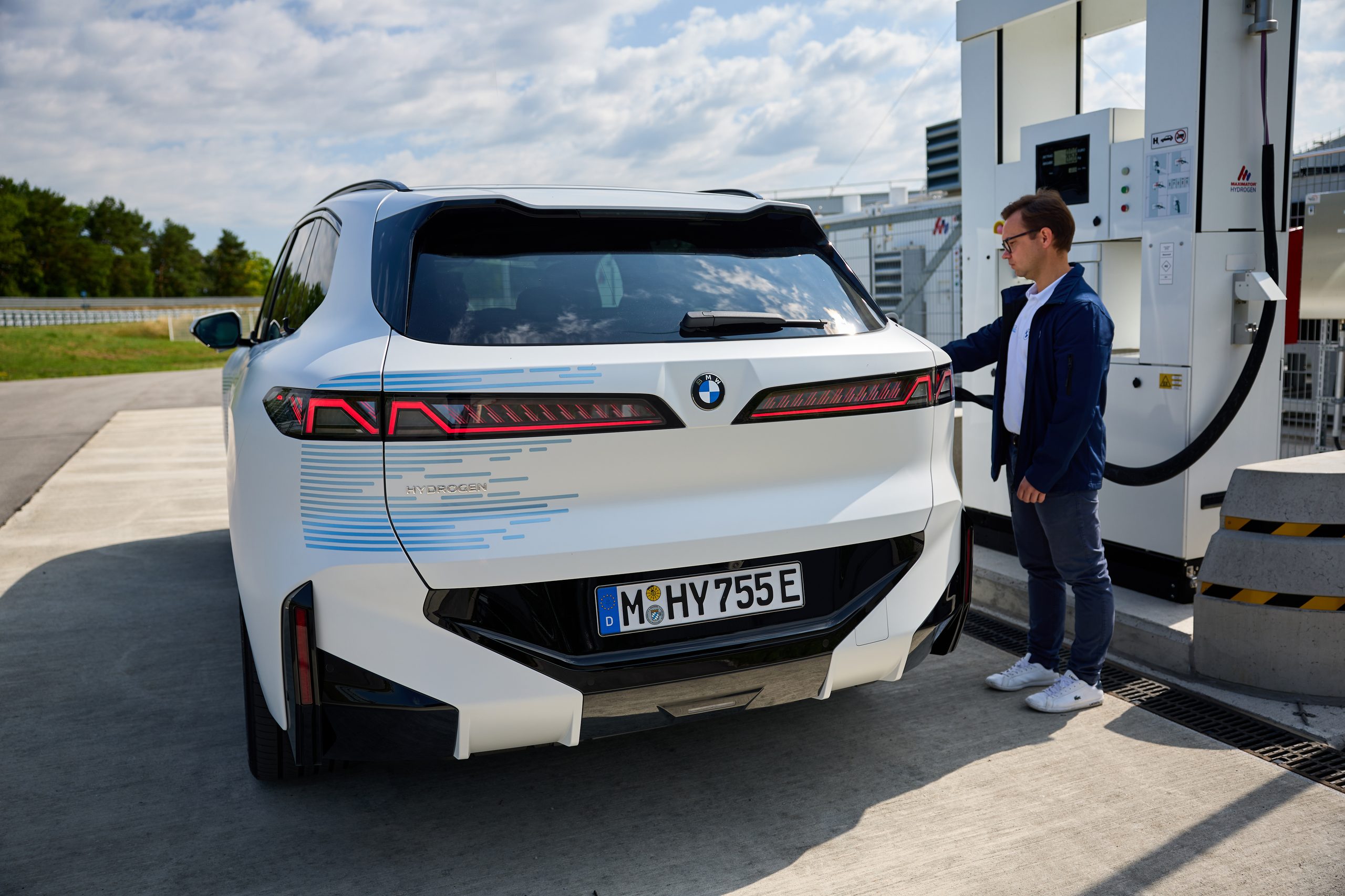
Hydrogen infrastructure remains limited across much of Europe, and that’s arguably a larger obstacle than the vehicle technology itself. BMW can engineer a sophisticated fuel-cell SUV, but it can’t make a sparse network of hydrogen stations disappear.
That hasn’t stopped development.
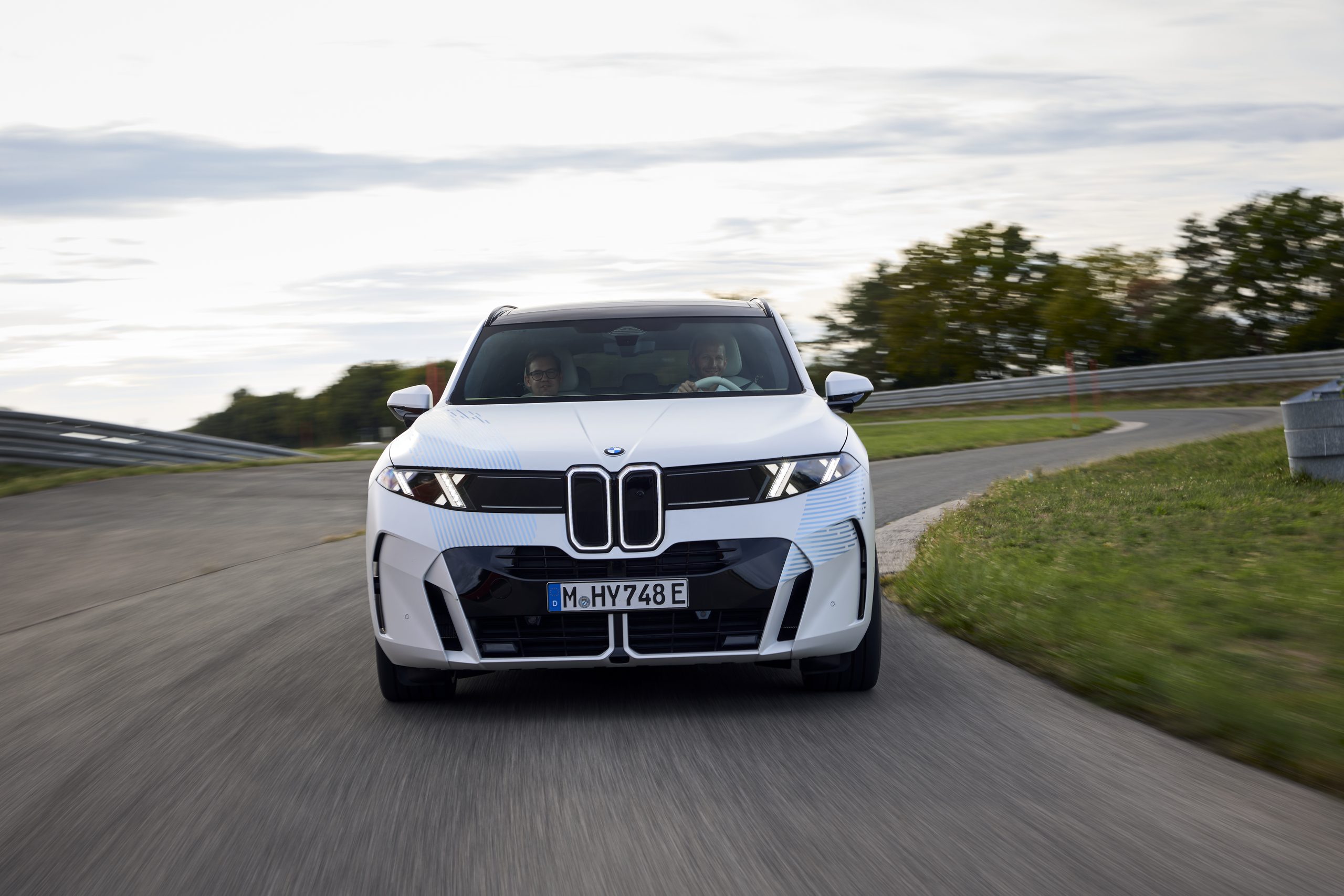
BMW’s latest prototype programme includes ordinary road testing as well as refuelling trials, and the company is preparing for another assembly phase of the third-generation fuel-cell system in Munich. Plant Steyr in Austria is also being readied for future series production.
BMW’s relationship with hydrogen isn’t new. The company has experimented with the fuel for decades, including combustion-powered hydrogen prototypes long before the current iX5 programme. The important difference now is that fuel cells allow hydrogen to power an electric drivetrain rather than simply replacing petrol inside a conventional engine.
There is also a Toyota connection. BMW and Toyota have collaborated on fuel-cell technology, an arrangement that gives both manufacturers a way to share some of the enormous development costs involved in bringing the systems closer to mass production.
Whether customers will eventually want hydrogen passenger cars in meaningful numbers remains a much harder question.
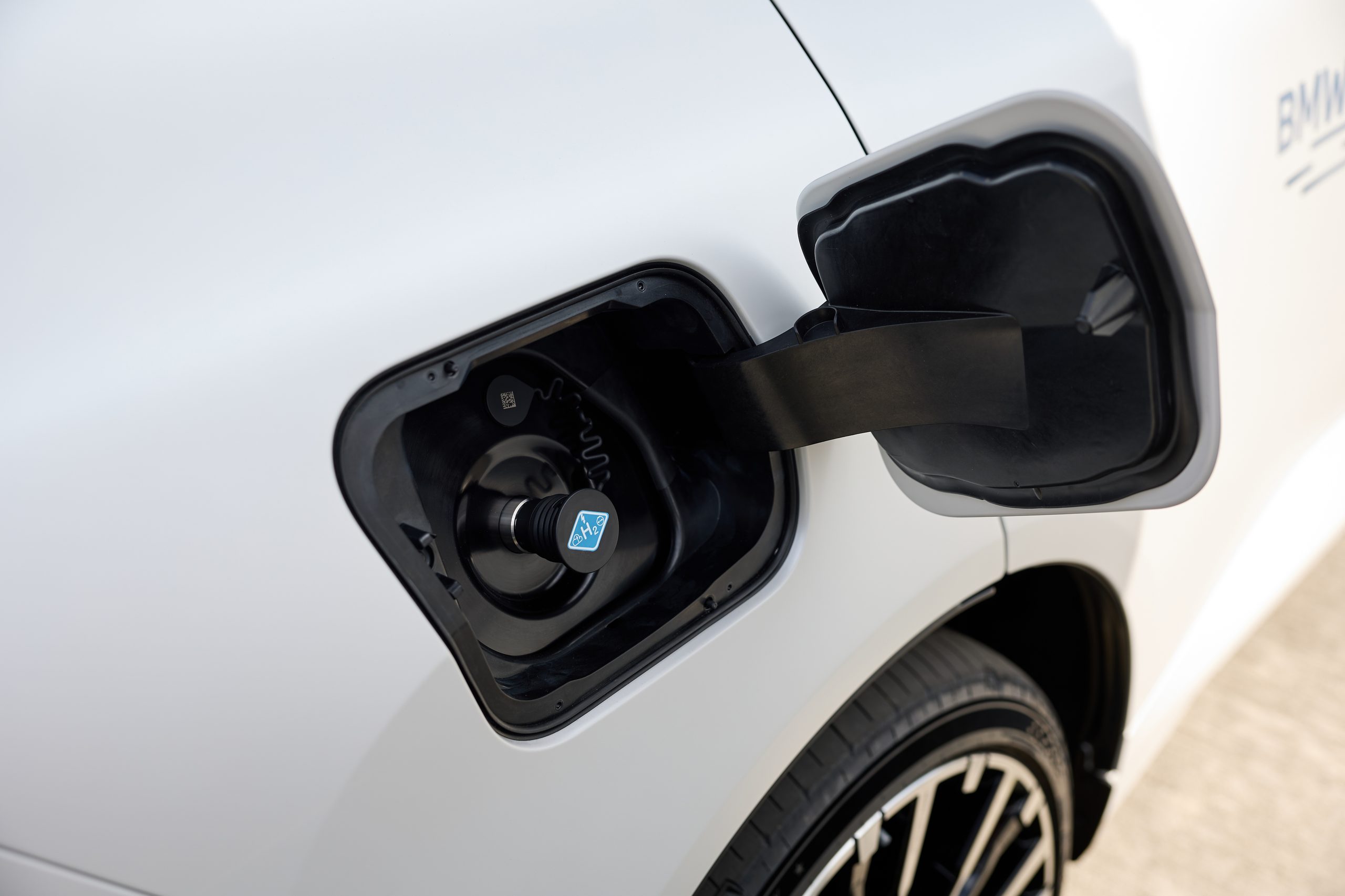
Battery charging networks are expanding, EV ranges continue to improve and home charging gives battery cars an advantage that hydrogen can’t easily reproduce. For many drivers, plugging in overnight is more convenient than visiting any kind of filling station.
But there are use cases where fast refuelling and long-distance operation remain attractive. BMW apparently thinks those use cases are worth pursuing.
The interesting thing about the iX5 Hydrogen, then, isn’t that it proves hydrogen will replace battery EVs. It doesn’t.
What it proves is that BMW still doesn’t believe the future needs to have only one answer.


Bogdan H.
Bogdan is an English teacher who is passionate about blogging. In his spare time, he writes news and reviews about BMW cars on our website. He's been a BMW fan since he was a little kid.


